Dizziness is extremely common, affecting around 5 per cent of the population. In some cases, sufferers need to limit their daily activities due to the condition. The incidence increases with age, and it is often a reason for visiting a GP. Dizziness is a general term and can include symptoms such as:
- light-headedness
- imbalance
- feeling faint
- unsteadiness
- vertigo (which is a feeling of the world spinning around you)
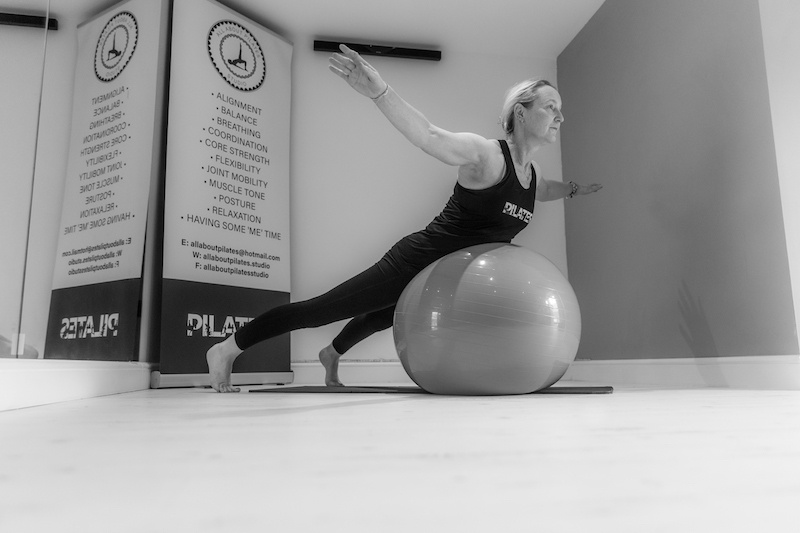
... all of which are balance disorders. In order to balance, we use sensory information from our musculoskeletal system, our eyes and our inner ear. Proprioception, which is knowing where your body is in space, is our most crucial balance system, but often decreases as we age, because we typically don’t move as much. Sight loss has an effect on balance. Problems in the vestibular system in the inner ear are common causes for onset vertigo or spinning sensation. The reasons for dizziness are varied. Whilst some are serious, others are simply a matter of seeing stars because you haven’t eaten for a while and have low blood sugar. If you suffer from vertigo you might be recommended to do Brandt-Daroff exercises by your medical professional. The UK government guidelines for all adults recommend balance exercises on at least two days a week. These exercises can be done in standing, kneeling and even lying on your side and the challenge can be increased by closing your eyes. Losing balance can have important consequences as a fall can result in broken bones such as a femoral or wrist fracture leading to a loss of independence. Come along to one of my classes for some more ideas on how to improve your balance.


